


7 Days Trailblazing Triumph Rongai Route Kilimanjaro Hiking Expedition
Welcome to the ultimate Kilimanjaro adventure a 7-day trek along the Rongai Route, promising both the thrill of conquest and the beauty of Tanzania's diverse landscapes. As we set foot on this remarkable journey, experienced guides will lead you through a carefully planned itinerary that maximizes your chances of reaching the iconic Uhuru Peak.
Tour highlights
- Arrival Day : Kilimanjaro Airport Moshi/Arusha:
- Day 1 : Moshi to Rongai Gate to Simba Camp:
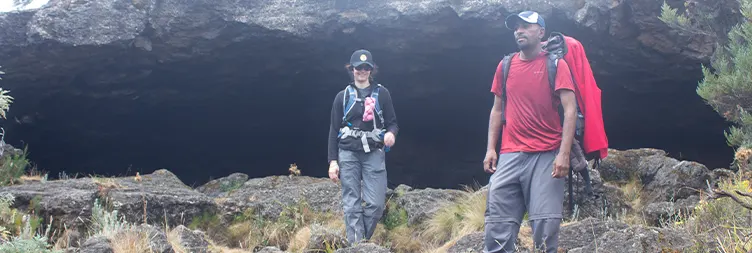
- Day 2 : Simba Camp to Second Cave
- Day 3 : Second Cave to Kikelewa Cave:
- Day 4 : Kikelewa Cave to Mawenzi Tarn
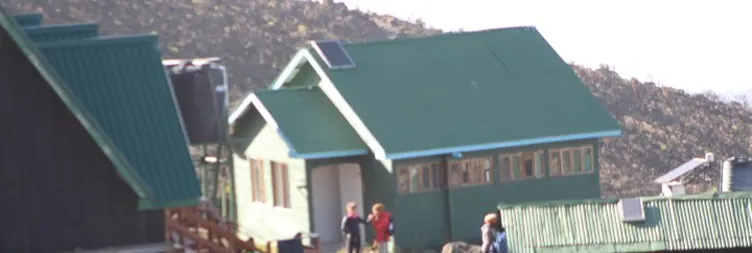
- Day 5 : Mawenzi tarn to Kibo Hut
- Day 6 : Kibo Hut to Uhuru Peak (Summit Point) - Back to Horombo Hut:
- Day 7 : : Horombo Hut - Mandara Hut - Marangu Gate - Back to Moshi/Arusha:
Itinerary
Day 1: Moshi to Rongai Gate to Simba Camp:
Distance: 8 km Hours: 5-6 hours Temperature: 20°C - 25°C The journey kicks off with a scenic drive to the Rongai Gate, where the trek begins. Traverse through picturesque rainforests and spot diverse wildlife. Reach Simba Camp, nestled at 2,625 meters, where you'll witness the first breathtaking sunset over Kilimanjaro.
Destination: Rongai Gate To Simba Camp
Accommodation: Simba Campsite
Meals & Drinks: Breakfast, Lunch, Dinner, Drinking water
Day 2: Simba Camp to Second Cave
Distance: 6 km Hours: 4-5 hours Temperature: 15°C - 20°C As you ascend, the landscape transforms into moorlands. Marvel at the panoramic views of the Rongai region and camp at the Second Cave, situated at an altitude of 3,450 meters.
Destination: Simba Camp To Second Cave Camp
Accommodation: Second Cave Campsite
Meals & Drinks: Breakfast, Lunch, Dinner, Drinking water
Day 3: Second Cave to Kikelewa Cave:
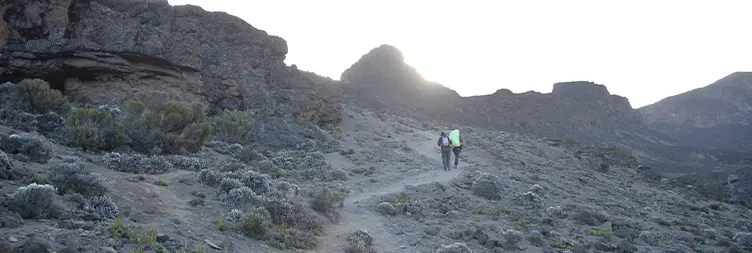
Distance: 7 km Hours: 6-7 hours Temperature: 10°C - 15°C The trail leads to Kikelewa Cave, taking you through high-altitude desert terrains. Experience the transition from moorlands to a surreal lunar landscape, reaching the camp at 3,600 meters.
Destination: Second Cave Camp To Third Cave Camp
Accommodation: Kikelelwa Campsite
Meals & Drinks: Breakfast, Lunch, Dinner, Drinking water
Day 4: Kikelewa Cave to Mawenzi Tarn
Distance: 6 km Hours: 4-5 hours Temperature: 5°C - 10°C Today, ascend to Mawenzi Tarn at 4,330 meters, a stunning location nestled beneath the Mawenzi Peak. The trek offers breathtaking views of the rugged terrains and allows you to acclimate to the increasing altitude.
Destination: Kikelelwa Camp To Mawenzi Turn Camp
Accommodation: Mawenzi Turn Campsite
Meals & Drinks: Breakfast, Lunch, Dinner, Drinking water
Day 5: Mawenzi tarn to Kibo Hut
Traverse the untamed path from Mawenzi Tarn to Kibo, where nature's contrasting beauty unfolds before your eyes. As you navigate the rocky trails, immerse yourself in the enchanting juxtaposition of the dense greenery left behind and the ruggedness that now envelops you, with towering peaks commanding reverence at every turn.
Destination: Kibo hut
Accommodation: Kibo Hut
Meals & Drinks: Breakfast, Lunch, Dinner, Drinking water
Day 6: Kibo Hut to Uhuru Peak (Summit Point) - Back to Horombo Hut:
This is your chance to conquer one of the world's Seven Summits. The trek from Kibo Hut to Uhuru Peak is an epic adventure that pushes you to push your physical and mental limits. With every step, you'll feel the excitement and anticipation build as you get closer to the top. Standing on the summit of Mount Kilimanjaro, you'll be filled with a sense of accomplishment that only a few have experienced.
Destination: Kibo Hut To Uhuru Peak To Horombo Hut
Accommodation: Horombo Hut
Meals & Drinks: Breakfast, Lunch, Dinner, Drinking water
Day 7: : Horombo Hut - Mandara Hut - Marangu Gate - Back to Moshi/Arusha:
The final stretch takes you through Mandara Hut and the Marangu Gate, where you'll bid farewell to the awe-inspiring Kilimanjaro. Return to Moshi or Arusha with a heart full of memories and the triumphant feeling of conquering Africa's highest peak.
Destination: Horombo Hut To Mandara Hut To Marangu Gate
Meals & Drinks: Breakfast, Lunch, Drinking water
Price Includes
- Sleeping bag or bed linen
- Rescue fee
- Meals (as specified in the day-by-day description)
- All accommodation mentioned (unless clearly labeled as optional upgrade)
- Camping equipment (only sleeping bag/bed linen may be listed as excluded)
- All transportation mentioned (unless clearly labeled as optional)
- All Taxes/VAT
Price Excludes
- Bath towels
- Climbing gear
- Park fees
- All flights during the tour
- International flights to/from the start/end of the tour
- Additional accommodation before and at the end of the tour
- Tips: tipping guideline
- Personal items
- Government imposed increase of taxes and/or park fees
Frequently Asked Questions
Altitude sickness can occur, but our experienced guides closely monitor and manage symptoms, emphasizing proper acclimatization.
A good level of fitness is recommended, and participants should undergo a medical check-up before embarking on this challenging adventure.
A detailed equipment list is provided upon booking, including essentials like sturdy boots, warm clothing, and a sleeping bag.
Our guides are trained in first aid, and there's a comprehensive evacuation plan in place for any emergencies.
Yes, porters are available to assist with carrying personal items, allowing you to focus on the trek.
Yes, we can cater to various dietary preferences. Please inform us in advance, and our team will ensure your needs are met.
The Rongai Route is considered moderately challenging, with a higher success rate due to its gradual ascent. However, success depends on factors like weather and individual adaptability.
The best times are during the dry seasons, typically from late December to early March and June to October, offering favorable weather conditions.
The lower elevations may offer glimpses of wildlife such as colobus monkeys and various bird species. Higher altitudes are devoid of large animals due to the harsh conditions.
Our guides ensure there are ample water points along the route. It's crucial to stay hydrated, especially at higher altitudes.
Layering is key. Bring clothing suitable for both warm and cold conditions, allowing easy adjustment as temperatures fluctuate throughout the trek.